






With the CFTC’s comment period on 24/7 futures trading closed, attention is shifting to what it would take to support futures markets around the clock. In an interview with Traders Magazine, Liz Kirby, Head of Market Structure at Tradeweb, discusses the implications for liquidity and price discovery, as well as the challenges of keeping funding, collateral, clearing and settlement moving outside traditional market hours.
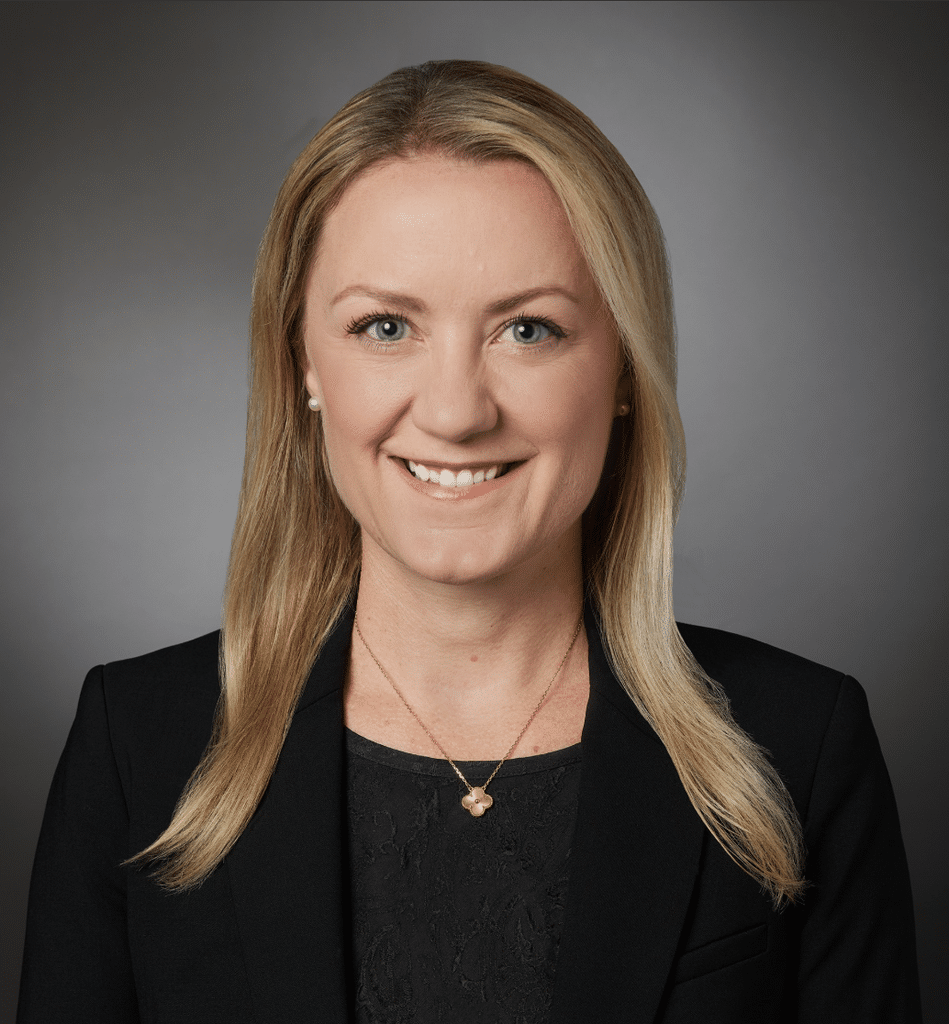
How does true 24/7 trading change liquidity and price discovery outside traditional market hours?
True 24/7 trading gives investors the ability to react to information and manage risk as events happen, rather than waiting for the next regional market to open. We already see demand for that in globally traded markets such as U.S. Treasuries, where liquidity follows the sun across Asia, Europe and the U.S. Extending that model could improve price discovery around geopolitical events, economic developments and other market-moving news that occurs outside traditional hours.
But keeping a market open does not automatically create liquidity. Activity is still likely to concentrate around regional trading hours and key events, so the challenge is ensuring that additional hours offer meaningful liquidity rather than simply spreading existing activity more thinly. As markets become increasingly electronic and automated, better data and cross-market connectivity should also help participants identify and access liquidity as conditions change.
Where are the biggest infrastructure gaps today across clearing, collateral, funding and settlement?
The biggest gap is that the infrastructure surrounding a trade does not yet operate on the same clock as an always-on market. Clearing, funding, margining, collateral management, custody and settlement are highly interconnected, but many of those processes still rely on traditional operating hours, settlement windows and manual intervention. That becomes particularly apparent over weekends: it is one thing to execute a trade, but another to fund it, move collateral and settle it at the same time.
That is why collateral mobility and interoperability are becoming increasingly important. Tradeweb’s work with industry participants on the Canton Network has demonstrated U.S. Treasury financing outside traditional settlement hours, including on weekends, using tokenized Treasuries and digital cash. More recently, Tradeweb facilitated a real-time transaction pairing a tokenized U.S. Treasury with tokenized cash, showing how the security and cash legs can move together without traditional settlement timing constraints.
How would 24/7 trading change margin and collateral management for FCMs and institutional firms?
For FCMs and institutional firms, 24/7 trading means margin and collateral management would increasingly need to become 24/7 as well. If positions can move at any time, firms need the ability to respond to changing exposures, meet margin requirements and access or mobilize high-quality collateral outside the traditional banking and settlement day. Otherwise, an always-on trading market could remain constrained by an infrastructure layer that effectively closes overnight or on weekends.
That will place greater emphasis on automation, real-time visibility into exposures and more efficient collateral mobility. The ability to move assets across custodians, venues and settlement systems becomes particularly important, while tokenization and programmable settlement could ultimately help automate processes that currently depend on fixed windows or manual intervention. Tradeweb’s work on 24/7 U.S. Treasury financing provides an early example: tokenized collateral and digital cash were used to enable financing outside traditional market hours, demonstrating how high-quality liquid assets could potentially be mobilized in an always-on environment.

NEWSLETTER SIGN UP
And receive exclusive articles on securities markets

🏆 The 2026 Global Markets Choice Awards are here! 🌍 Nominations are officially OPEN for the celebration of excellence in global capital markets trading & technology. Nominate below:
https://www.jotform.com/form/260086385121150

Delaware Life Insurance Company is becoming the first insurance carrier to offer an index that contains cryptocurrency, adding the BlackRock U.S. Equity Bitcoin Balanced Risk 12% Index to its fixed index annuity (FIA) portfolio.
As the digital assets industry pushes toward
Franklin Templeton is expanding its tokenized fund suite, signaling growing institutional demand for blockchain-based fund infrastructure and regulated investment products moving onchain. Read the full article below:
$50 billion in active ETF inflows helped fuel a record year for @BlackRock 's iShares business, as investors continue to lean into active strategies.
Related articles
-

Critical mineral supply is at the forefront of every major economy.
-

The contracts will track CME FutureSports Performance Indexes of the 30 professional baseball teams.
-

The group also reported record average daily volume for Q3.
-

There is demand for institutional-grade risk management tools across high-liquidity altcoin markets.
-

The timing follows CME's plans to list futures on the FutureSports NHL and MLB indexes.