




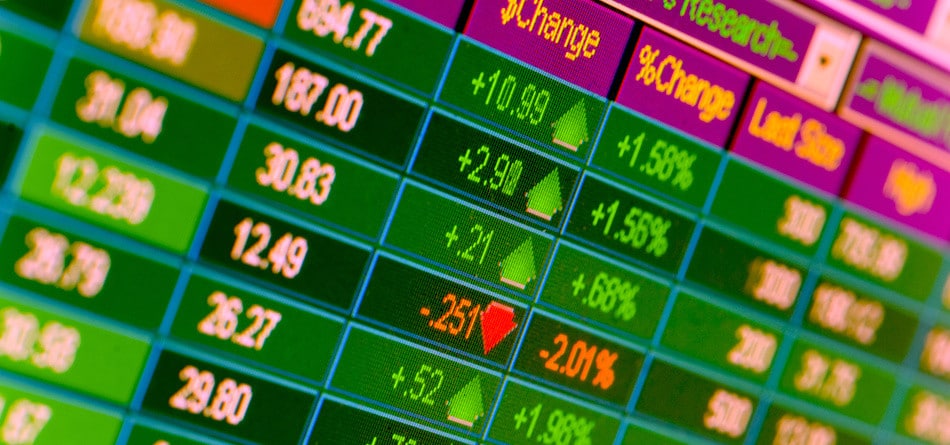
After two years of decline, U.S. equity trading commissions rebounded in 2024, reaching $6.2 billion.
This follows a drop from $7.4 billion in 2021 to $5.4 billion in 2023. The increase is attributed to strong equity market performance, according to annual research from Crisil Coalition Greenwich with hundreds of U.S. institutional equity investors.
“The buy side is cautiously optimistic about the future,” says Jesse Forster, Senior Analyst at Crisil Coalition Greenwich Market Structure & Technology and author of U.S. equity market trends hold steady in 2024. “The recent SEC reforms and the new SEC Chair’s focus on cooperation between regulators and market participants have created a sense of renewed possibility.”
Migration Toward Electronic Trading and Automation
The U.S. equity market continued its migration toward electronic trading last year, with 44% of overall trading volume executed electronically (including algorithmic strategies and crossing networks). Managers expect electronic trading to increase to nearly half of their flow within three years, at the expense of high-touch trading, which they anticipate will account for only 39% of their flow by then.
Across the market, traders are looking for a delicate balance between technology and human touch, with high-touch sales traders still playing a crucial role in finding hard-to-find liquidity and working complex orders.
“Buy-side traders remain resolute in their dual mandate of finding liquidity for their clients while exploring opportunities for automation within their firms,” says Jesse Forster.
What’s Driving Buy-Side Commission Allocation Among Brokers?
Buy-side traders prioritize sourcing natural liquidity when selecting a broker, with 29% of the buy side and 34% of hedge funds citing it as their top consideration. For electronic trading providers, ease of use, reliability and technical support are key, with over two-thirds of buy-side traders naming these as their primary criteria.
“The buy side has long said they wish to reward brokers who consistently add real value to their day,” says Jesse Forster. “Now that the commission pool is growing again, they may finally have the means to do so.”
Source: Crisil Coalition Greenwich

NEWSLETTER SIGN UP
And receive exclusive articles on securities markets

🏆 The 2026 Global Markets Choice Awards are here! 🌍 Nominations are officially OPEN for the celebration of excellence in global capital markets trading & technology. Nominate below:
https://www.jotform.com/form/260086385121150

Delaware Life Insurance Company is becoming the first insurance carrier to offer an index that contains cryptocurrency, adding the BlackRock U.S. Equity Bitcoin Balanced Risk 12% Index to its fixed index annuity (FIA) portfolio.
As the digital assets industry pushes toward
Franklin Templeton is expanding its tokenized fund suite, signaling growing institutional demand for blockchain-based fund infrastructure and regulated investment products moving onchain. Read the full article below:
$50 billion in active ETF inflows helped fuel a record year for @BlackRock 's iShares business, as investors continue to lean into active strategies.
Related articles
-

Securitize Stocks are structured to preserve the investor rights and economic benefits associated with shares.
-

Central clearing has been introduced to a securities financing transactions market that operated bilaterally.
-
The US 500 tracks the total return of a Kalshi index of the largest U.S. companies.
-

Eurex is offering equity derivatives in the Asia Pacific region for the first time.
-

This combines Citadel Securities’ deep liquidity and execution with Wolfe’s research.