





06.30.2026

New York Life was founded more than 180 years ago but its asset management business has launched one of the first onchain high yield bond offerings according to the mutual life insurer.
The asset management business, New York Life Investment Management, has launched the NYLIM Anemoy U.S. High Yield Corporate Bond Segregated Portfolio in partnership with tokenization platform Centrifuge. This is NYLIM’s first tokenized offering and aims to expand investor access to the firm’s fixed income capabilities through digital infrastructure.
Thomas Sy, head of multi-asset solutions at New York Life Investment Management, told Markets Media that the asset management business has been looking at tokenization for the better part of a year and exploring how it could learn about this new infrastructure. NYLIM actively manages approximately $807bn, according to a statement, with Sy’s team managing approximately $11bn for institutional clients.
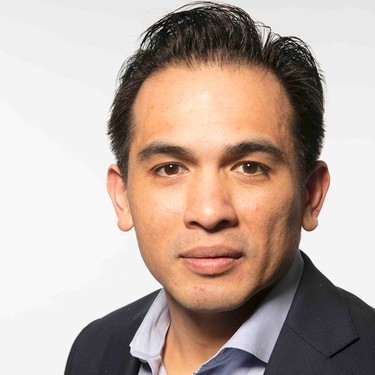
Thomas Sy, NYLIM
“We believe that most, if not all, finance will be onchain at some point,” Sy added. “The best way to understand, learn and develop an institutional quality platform is to start pilots.”
Other traditional asset managers including BlackRock, Franklin Templeton and Fidelity International have already launched tokenized funds. However, Sy argued that crypto-native investors and firms such as digital asset treasuries will want to diversify beyond tokenized money market funds, commodities and private credit. As a result, NYLIM believes there is space for more institutional quality products onchain and that true diversification will be one of unblocks of tokenization.
“At NYLIM we want to put assets onchain that are truly differentiated from what is already in place,” added Sy. “This is not a one-product test.”
So what does this mean for us? 🤔
— RWA Agent (@AgentRWA) June 30, 2026
The launch of the NYLIM tokenized fund signals a shift in traditional finance toward blockchain.
We might see more institutions following suit in tokenizing their assets.
This could increase accessibility for retail investors into high-yield…
On 30 June 2026 Theo, an institutional platform that builds financial products enabling onchain capital to access global markets, said in a statement that it had become the first crypto-native platform to invest in Fidelity International’s tokenized USD Digital Liquidity Fund (FILQ).
Theo’s institutional tokenized Treasury product, thBILL, allocated $20m into FILQ through digital asset bank Sygnum. thBILL has over $200m in total value locked, according to Theo. TVL measures the U.S. dollar value of digital assets deposited or staked into a decentralized finance (DeFI) protocol or blockchain.
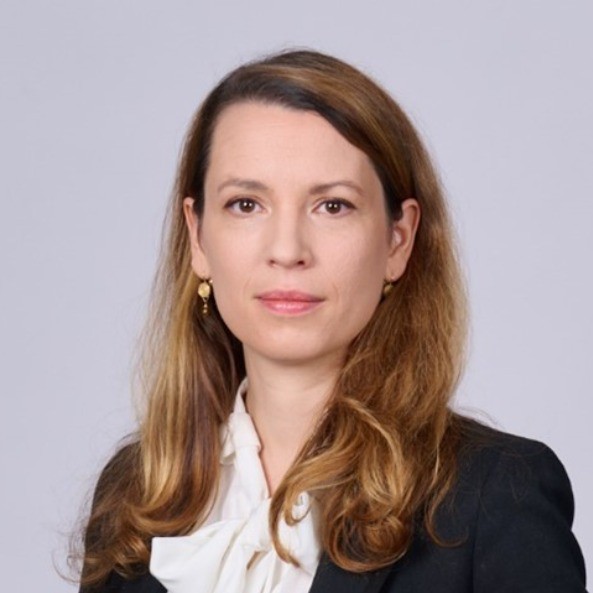
Emma Pecenicic, Fidelity International
thBILL is one of the only onchain Treasury products backed by paper from two of the world’s largest asset managers, Fidelity International and Wellington Management, according to Theo. Inside thBILL, FILQ sits alongside ULTRA, the Wellington Management-issued Treasury fund custodied at Standard Chartered. Iggy Ioppe, chief investment officer at Theo described the structure of thBILL to Markets Media as an iPhone which can be traded, with a screen from Fidelity International and a chip from Wellington.
Emma Pecenicic, head of digital assets distribution at Fidelity International, said in a statement that tokenization is a foundational shift in how global financial markets will function.
“By combining long-standing investment expertise with digital-native infrastructure, we are helping to enable regulated, institutional-grade liquidity onchain for markets that operate around the clock, bringing new utility to onchain investors like Theo,” she added.
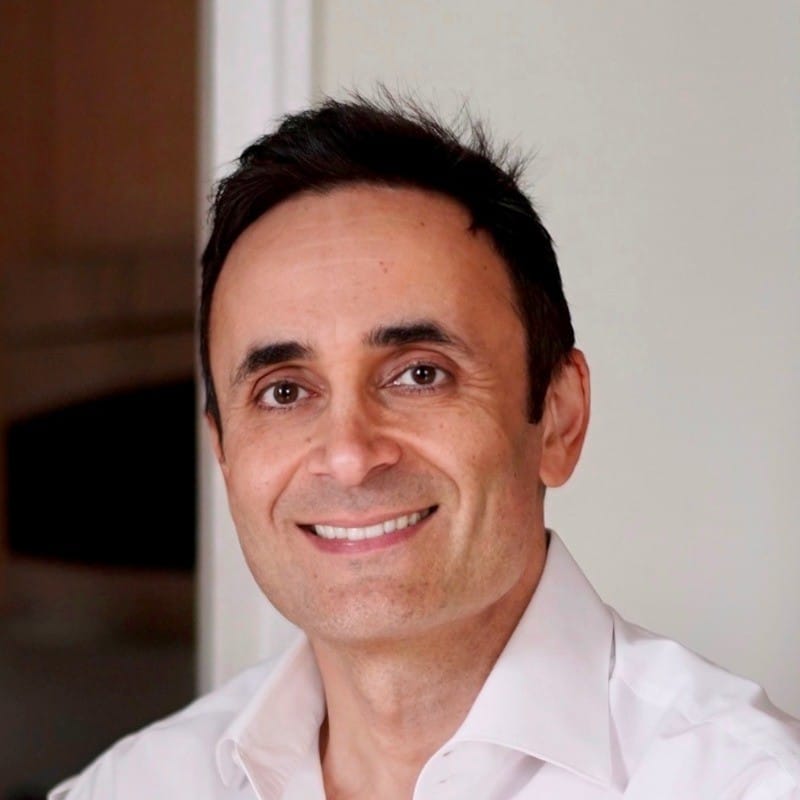
Iggy Ioppe, Theo
Ioppe said that unlike most tokenized funds, thBILL was designed to specifically for institutions to use tokens onchain, to attract liquidity onchain and to be composable, which enables permissionless innovation and fluid coordination across DeFI protocols. He said: “The company revolves around knowing where liquidity lives onchain, knowing how DeFi works and having deep ties to crypto market makers.”
Theo’s team worked for a year to convince Fidelity International to launch a tokenized fund, according to Ioppe. The fund will sit inside thBILL tokens which can be pledged as collateral, lent out and used in DeFi to enhance yield 24/7.
“I think they chose us because we have specific expertise in terms of making our tokens work onchain,” Ioppe added. “This is one of the first true onchain tokenizations from one of the biggest asset management names.”
Stablecoins
Centrifuge will tokenize NYLIM’s fund with subscriptions and redemptions settled in Circle’s USDC stablecoin . The underlying portfolio, investment process, and risk management through NYLIM remain unchanged.
The asset manager met a number of potential tokenization partners. The first thing that stood out about Centrifuge is that they took time to understand NYLIM’s goals, stage of development and risk appetite, according to Sy.
“As a 180-year old institution, one of our principles is permanence and Centrifuge proposed potential projects that were in line with that,” Sy said.
Another factor is that Centrifuge has been around since 2017 and has been through a full crypto winter, regulatory uncertainty and multiple market cycles.
“That level of experience and commitment to a regulatory mindset was a match with our core principles,” Sy added.
Sy highlighted that in March this year New York Life reported a surplus of $34.7bn for 2025, up from $33.3bn in the previous year. As a result, he argued that the firm has the ability to invest in new technology and take time to be thoughtful around how it builds an onchain business.
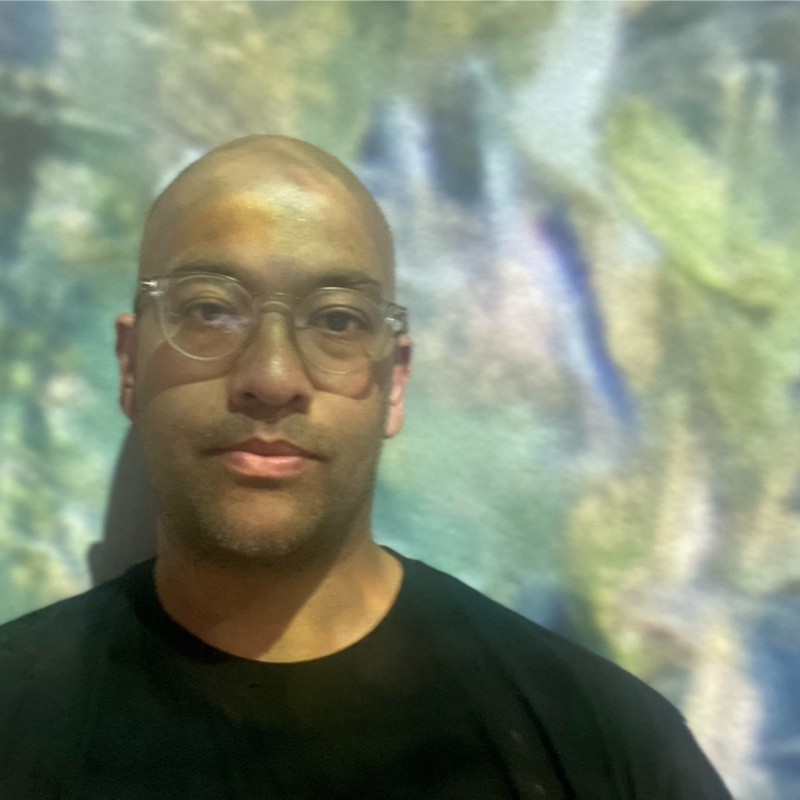
Anil Sood, Centrifuge
Anil Sood, chief strategy officer and co-founder of Centrifuge Labs, said in a statement: “This is bigger than a single product: It is about moving funds onto infrastructure that is more transparent, more efficient, and more composable.”
The U.S. administration passed the Genius Act in 2025 to provide the first federal framework for stablecoins which Sy described as a “real unlock” for his largest institutional clients who include insurance companies, sovereign wealth funds, pensions and endowments.
“Stablecoins is the first step for them to get into blockchain and has allowed us to initiate conversations on what else is possible,” he added. “That conversation has changed in the past year.”
Sy predicted that 2026 or 2027 will be the year that other traditional institutions like NYLIM will be testing or launching blockchain projects of their own.
Impact on asset management
The first impact of tokenization on the wider asset management industry will be better outcomes for investors, which Sy described as NYLIM’s “North Star” due to the ability to hyper-customize solutions for individuals and institutions at scale, in addition to increasing operational efficiencies and reducing costs.
He compared the advent of tokenization to the introduction of exchange-traded funds. Sy added: “The real unlock for ETFs was when investors could hold and settle them just like any other stock.”
Tokenization also represents an opportunity to give more investors access to a combination of both public and private markets, including private credit, private equity, infrastructure and asset-backed finance. Sy explained that using a blockchain allows customization to be embedded within the token.
For example, an individual typically has 9 to 10 financial accounts ranging from a mortgage to a trading account. It is impossible to provide good financial advice holistically across all these accounts, according to Sy. However, once all that data is on a blockchain, an asset manager can give precise investment guidance based on a full financial picture and the client’s goals.
“I would like a world where I can create a token based on an individual’s goals,” Sy added. “That is what is exciting about the blockchain.”
A survey from Citi Investor Services and CREATE-Research, Upping the Innovation Game in the Asset Management Industry, found that firms cannot compete on performance alone and want to create a competitive edge through their infrastructure to improve investor outcomes.
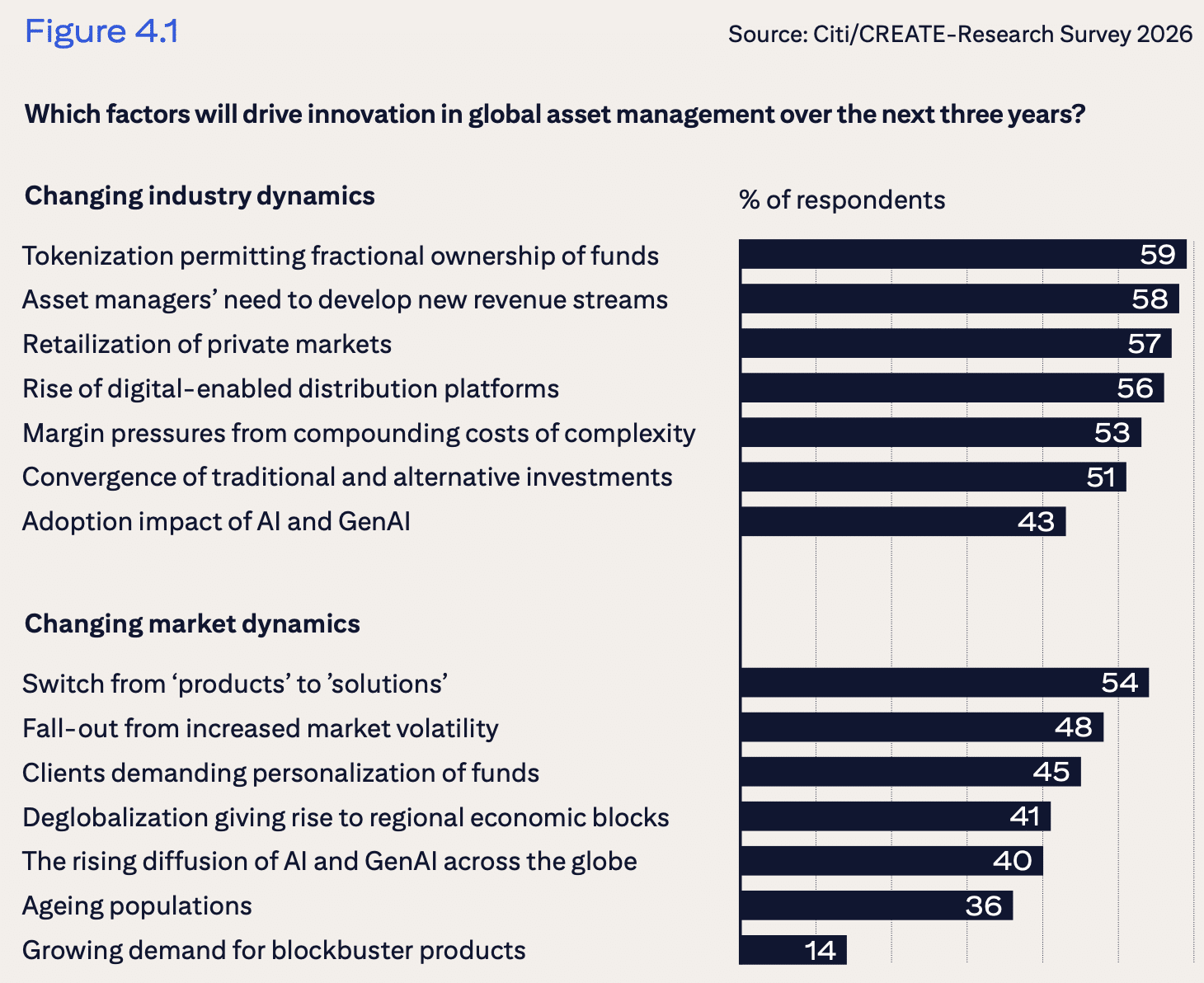
Source: Citi
The majority, 59%, of survey respondents said process improvements will continue to drive the main thrust of innovation. The report said that on the process side, key innovations will likely center on tokenization via rising fractional ownership of funds, the retailization of private markets, digital-enabled distribution platforms and the adoption of AI and GenAI to beef up the enabling infrastructure.
One asset manager said in the report: “Tokenization holds big promise. It will revolutionize private and public markets alike.”

NEWSLETTER SIGN UP
And receive exclusive articles on securities markets

🏆 The 2026 Global Markets Choice Awards are here! 🌍 Nominations are officially OPEN for the celebration of excellence in global capital markets trading & technology. Nominate below:
https://www.jotform.com/form/260086385121150

Delaware Life Insurance Company is becoming the first insurance carrier to offer an index that contains cryptocurrency, adding the BlackRock U.S. Equity Bitcoin Balanced Risk 12% Index to its fixed index annuity (FIA) portfolio.
As the digital assets industry pushes toward
Franklin Templeton is expanding its tokenized fund suite, signaling growing institutional demand for blockchain-based fund infrastructure and regulated investment products moving onchain. Read the full article below:
$50 billion in active ETF inflows helped fuel a record year for @BlackRock 's iShares business, as investors continue to lean into active strategies.
Shanny Basar
Senior writer
A Senior Writer at Markets Media who became a financial journalist in 2000 after working in banking for over a decade....
More about this authorRelated articles
-

This adds 24/7 trading capability to Hong Kong’s evolving tokenisation ecosystem.
-

The QQI ETF invests in companies outside the U.S.
-

Morgan Stanley Institute for Sustainable Investing polled 900 institutional investors.
-

Year-to-date net inflows of $432.4bn are the highest on record.
-
Fixed income is the largest asset class in global finance.