





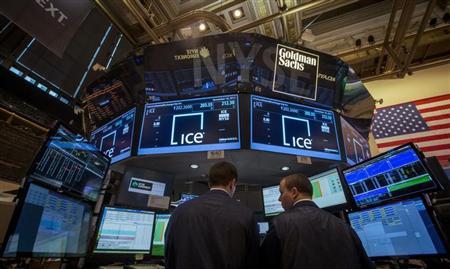
Intercontinental Exchange, a leading global provider of data, technology, and market infrastructure, announced that it plans to launch a futures contract based on the ICE Global Carbon Futures Index (ICE: CO2). The new futures contract is designed to offer the market a way to access and hedge a global price for carbon and is expected to launch in early 2022, subject to regulatory approval.
“Our Global Carbon Futures Index contract will allow market participants to gain exposure to the cost of emissions across the four largest cap and trade futures markets in the world, in one tradable instrument." – Gordon Bennet, Managing Director, Utility Markets, ICE. pic.twitter.com/6FIvlx7RbZ
— ICE (@ICE_Markets) November 30, 2021
Additionally, following an index consultation and resulting methodology update, ICE UK Allowance futures (UKA futures) are expected to be added to the ICE Global Carbon Futures Index in January 2022, making it more reflective of global carbon markets. Following this, the index and the new futures contract will allow market participants to access a basket of four of the world’s largest and most liquid carbon futures markets: the ICE European Union Allowances (EUA); the ICE California Carbon Allowances (CCA); the ICE UK Allowances (UKA); and the ICE Regional Greenhouse Gas Initiative CO2 Allowances (RGGI).
“As businesses continue to adapt to the challenges and opportunities presented by net zero, we are likely to see increasing adoption of tools to value positive and negative externalities,” said Gordon Bennett, Managing Director of Utility Markets at ICE. “Carbon cap and trade programmes work to control the quantity of emissions and are one of the most effective means to price the negative externality of pollution by incentivizing the reduction of emissions. Our Global Carbon Futures Index contract allows market participants to gain exposure to the cost of emissions across the four largest cap and trade futures markets in the world, in one tradable instrument.”
The ICE Global Carbon Futures Index, which launched in April 2020, serves as a benchmark for the performance of carbon allowance prices. The index is calculated and published in real-time to the ICE Consolidated Feed. It is part of a suite of ESG-related services ICE offers to customers, which includes the ICE BofA Green Bond Index, ICE Global Government Carbon Reduction Indices, and ICE Climate Risk, which helps investors identify the climate risk in municipal securities across the United States.
ICE offers customers access to the largest and most liquid environmental markets in the world to price climate risk. More than 14 gigatons of carbon trades on ICE annually, equivalent to approximately 40% of the world’s total annual emissions footprint based on current estimates.
Source: ICE

NEWSLETTER SIGN UP
And receive exclusive articles on securities markets

🏆 The 2026 Global Markets Choice Awards are here! 🌍 Nominations are officially OPEN for the celebration of excellence in global capital markets trading & technology. Nominate below:
https://www.jotform.com/form/260086385121150

Delaware Life Insurance Company is becoming the first insurance carrier to offer an index that contains cryptocurrency, adding the BlackRock U.S. Equity Bitcoin Balanced Risk 12% Index to its fixed index annuity (FIA) portfolio.
As the digital assets industry pushes toward
Franklin Templeton is expanding its tokenized fund suite, signaling growing institutional demand for blockchain-based fund infrastructure and regulated investment products moving onchain. Read the full article below:
$50 billion in active ETF inflows helped fuel a record year for @BlackRock 's iShares business, as investors continue to lean into active strategies.
Related articles
-

The companies aim to support market innovation and enable 24/7 trading of equity futures.
-
The US 500 tracks the total return of a Kalshi index of the largest U.S. companies.
-

The firm will soon connect U.S. and global crypto derivatives into a single regulated liquidity pool.
-
DLT could provide solutions capable of addressing longstanding inefficiencies in collateral management.
-

Eurex is offering equity derivatives in the Asia Pacific region for the first time.