





By Pat Gardner, Sales Director, Vela

Pat Gardner, Vela
Although the trading of options on futures has been predominantly electronic for some time, it is only since the CME Group (and the ICE soon thereafter) moved to a user-defined spread model initiated by a Request for Quote (RFQ) that we have seen significant growth of electronic spread trading in these markets.
By avoiding the need to formally list all possible instrument combinations, the RFQ function has instantly allowed the exchange to realize massive bandwidth savings and less daily maintenance in regards to settlement pricing. It has also facilitated the growth of more profit-generating uses of bandwidth, such as weekly and even daily option expires.
Spread trading & RFQ trading
Smaller market participants have gained the ability to design an option spread instrument that is right for their desired risk profile and to secure a tradable price from multiple sources electronically. The same concept can apply to larger but less frequent market participants; we have seen agriculture and energy firms designing options calendar spreads that consider the seasonality of the commodities they produce. Since spreads are executed as a complete package, both market participants eliminate leg risk and fill uncertainty.
As more volume has moved to the screen, we have seen the tightening of bid-ask spreads. While this can be painful for some market makers, those with the best pricing tools, capacity for risk management, and the ability to automatically quote a two-sided market can still flex these capabilities.
Another positive development for market makers is that roughly 60% of all executed options – regardless of asset class – are traded as spreads that were RFQ’d. If something is initiated via an RFQ, then there is or at least should be a higher desire of their counterparty to trade an instrument. By designation, market makers are willing to trade small quantities as long as it is at their desired price. This is something that is not always a reality in a trading pit or especially via a phone call.
RFQ trading platforms
While many Chicago and New York based futures options markets have now migrated price discovery to the screen away from trading pits, it seems like the European exchanges and those who regulate them are looking for a similar shift, only this time away from the phones.
Eurex in particular seems keen on this transition, introducing their EnLight RFQ platform last year and even offering cash incentives for market maker participation. They list several ‘key benefits’ on their website such as “increase your process efficiency” and “comply with Best Execution obligations.”
Any adjustment in trading or market structure will have an effect on the participants in a market. Any successful market will also require different participants with their dissimilar risk appetites and time horizons. As the introduction of the RFQ function continues to have an overall positive effect, we expect that it won’t be long before it is viewed as normal in European markets and others as it already is in the U.S. This being the case, firms will need to ensure they have the capability to interact electronically with RFQs.

NEWSLETTER SIGN UP
And receive exclusive articles on securities markets

🏆 The 2026 Global Markets Choice Awards are here! 🌍 Nominations are officially OPEN for the celebration of excellence in global capital markets trading & technology. Nominate below:
https://www.jotform.com/form/260086385121150

Delaware Life Insurance Company is becoming the first insurance carrier to offer an index that contains cryptocurrency, adding the BlackRock U.S. Equity Bitcoin Balanced Risk 12% Index to its fixed index annuity (FIA) portfolio.
As the digital assets industry pushes toward
Franklin Templeton is expanding its tokenized fund suite, signaling growing institutional demand for blockchain-based fund infrastructure and regulated investment products moving onchain. Read the full article below:
$50 billion in active ETF inflows helped fuel a record year for @BlackRock 's iShares business, as investors continue to lean into active strategies.
Related articles
-

Average daily volume increased 23% year-over-year.
-
The alternative asset manager has also created more than 2,000 ICE IDs for private market assets.
-
Investors will be able to trade E-nano equity index futures.
-

New subsidiary will be rebranded TMX Australia Exchange.
-
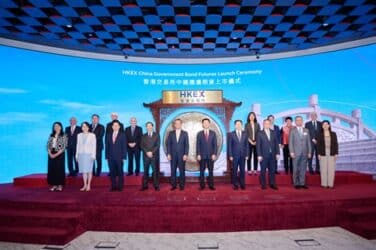
This marks a significant step in Hong Kong’s fixed-income and currencies ecosystem.