






12.04.2025

Banks are cautiously optimistic about their prospects and are now thinking about future trends that are shaping banking and disruptive innovation which serves their customers.
Tanuj Kapilashrami, chief strategy & talent officer at Standard Chartered, said on a panel at the Financial Times Global Banking Summit in London on 2 December 2025 that the mood was very different from last year. She added that there is now a mood of “cautious optimism” after a 17-year period of rehabilitation for the industry since the global financial crisis in 2008.
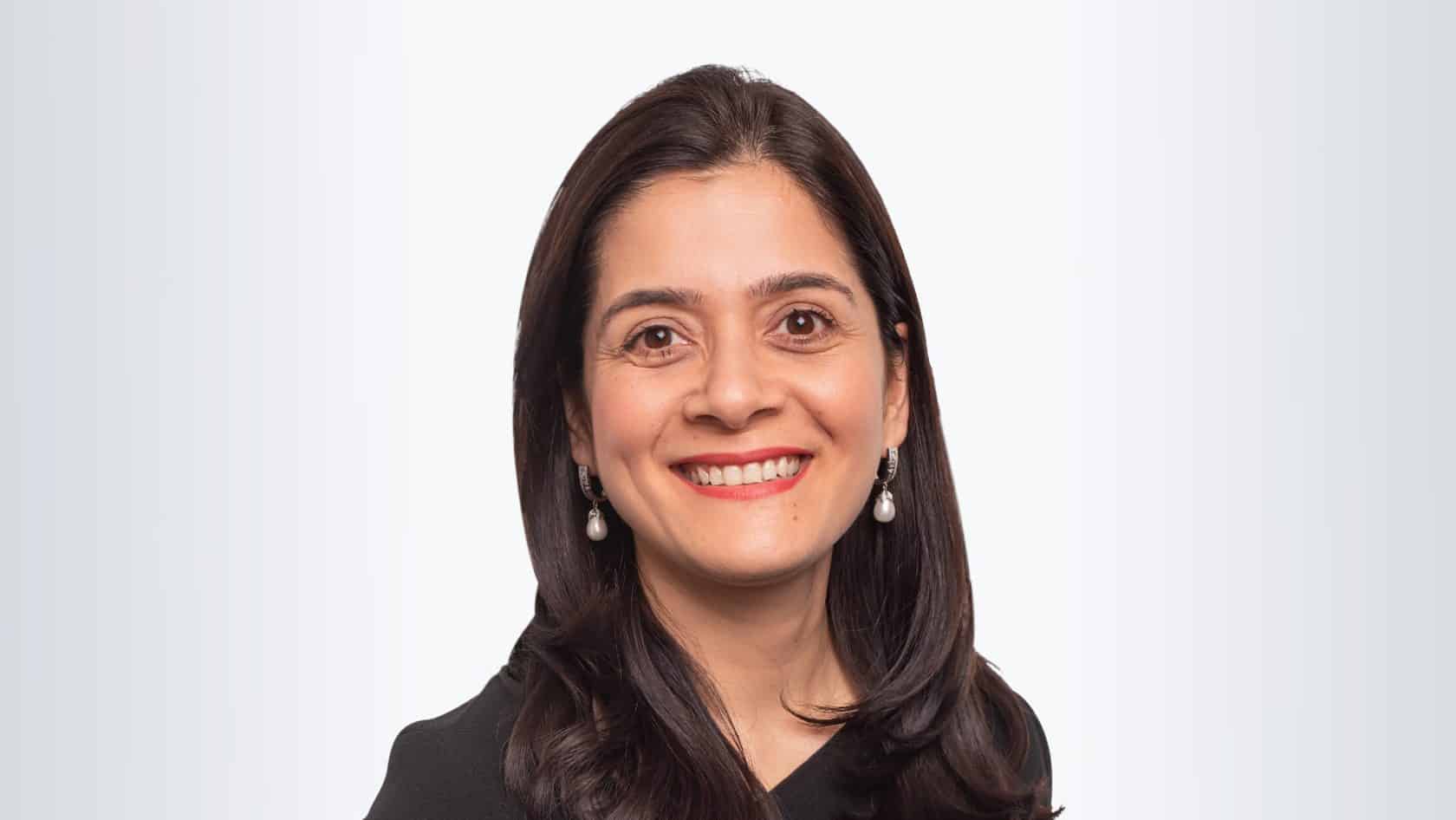
Tanuj Kapilashrami, Standard Chartered
“Banks are doing well and there is a level of confidence that we have been able to weather the storm,” added Kapilashrami. “This has given banks the right to get their head above the parapet and start thinking about some of the future trends that are shaping banking and how they’re going to respond.”
Saurabh Tripathi, global leader, financial institutions practice at Boston Consulting Group, said on the panel the nature of conversations with clients in finance has changed.
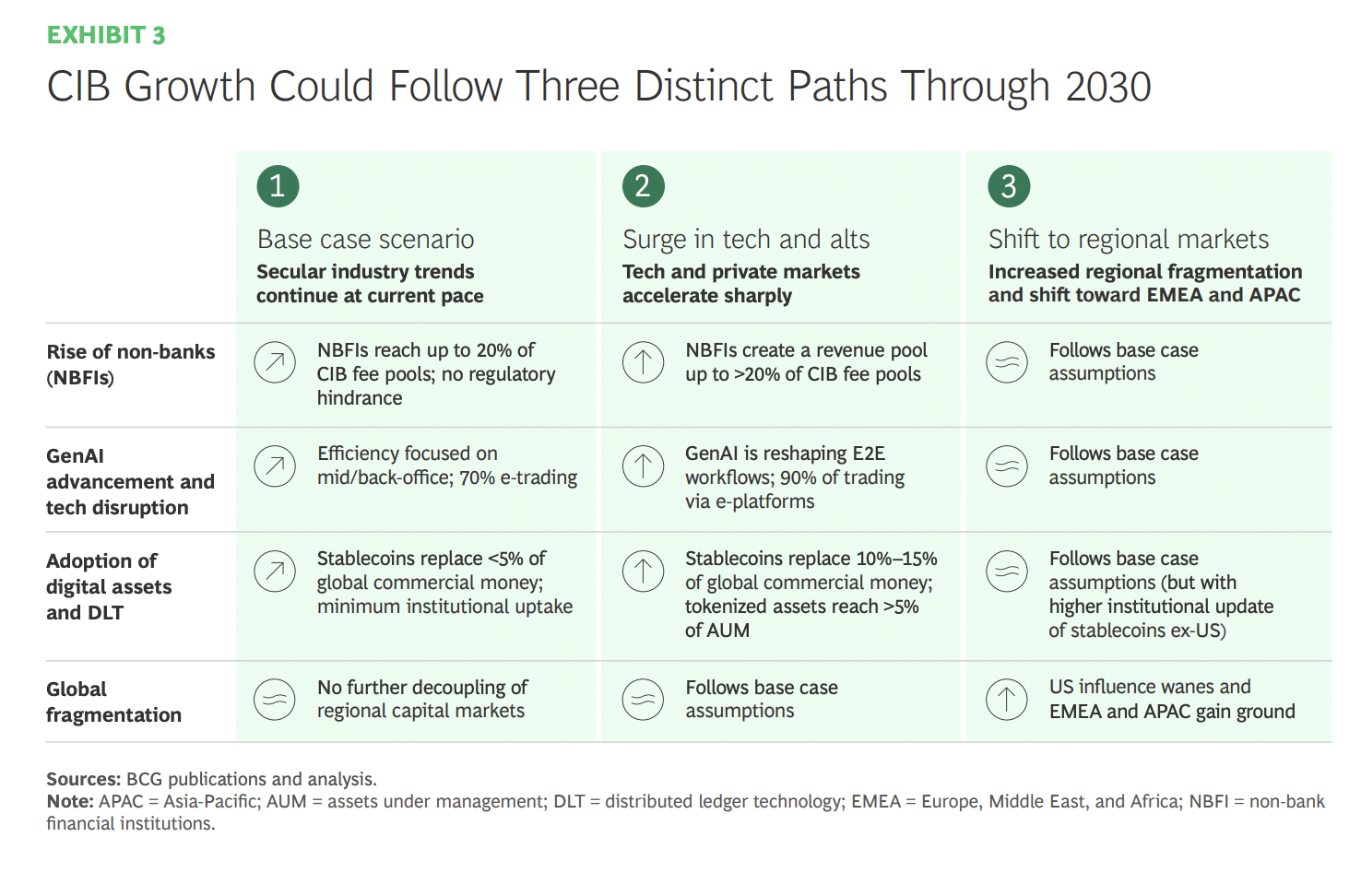
“Productivity and efficiency is very important but we are now engaging with clients in the world of finance on disruptive innovation,” he added. “That was a word that we have not used for the last couple of years, but it is back on the table so it’s a very exciting time.”
Tripathi continued that for a long time finance was inward looking but Boston Consulting Group has noticed that institutions are now going out and studying the customers carefully to understand what they want. He added: “That makes me very excited because over the next few years we will see a lot of innovation.”
Source: BCG
Kapilashrami highlighted that Standard Chartered is a 170 year old bank headquartered in Britain but is present in some of the fastest growing markets in the world. As a result, the big change is that banks cannot think of themselves as standalone institutions, but as conveners of an ecosystem in order to meet client needs.
“We have a strong strategic mindset around what we build, what we buy and what we borrow,” she added. “That’s going to become a really big game changer for us.”
For example, Standard Chartered has an open architecture model in wealth management which Kapilashrami is “hugely valued” by clients. In corporate banking business, she said the firm has some interesting partnerships in the origin-to -distribute business model that it is building.
She continued that investing in a regulated digital assets ecosystem is top of the list for Standard Chartered.
“We are very bullish about the potential of a regulated digital assets ecosystem,” she said. “A bank like ours has a great opportunity to partner with the right players to fulfill what is emerging as a very clear client need.”
Artificial intelligence
Tripathi highlighted that artificial intelligence will allow for a radical reimagination of how things were done in the past.
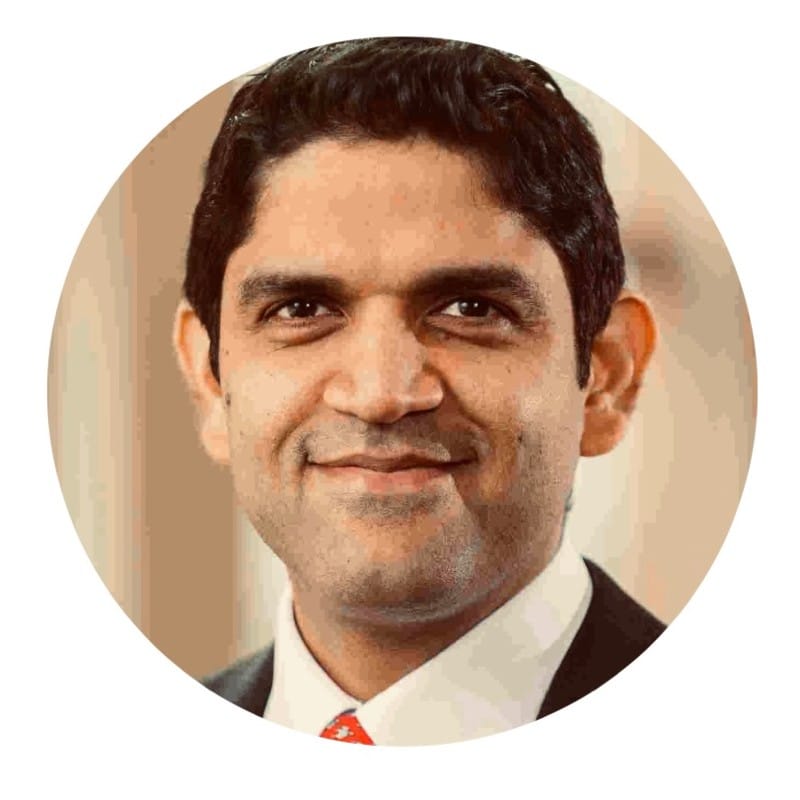
Saurabh Tripathi, Boston Consulting Group
“On the supply side banks can create things which are completely new,” said Tripathi. “Both the demand and supply side are going to be different, and I think that is what is coming ahead of us.”
He added that AI providers such as OpenAI and Anthropic are focussed on financial services, as many jobs can be either automated or augmented with AI. In addition, many startups are developing personal financial management solutions, or creating personal assistants who may eventually be able to advise customers on financial matters.
Kapilashrami said many banks currently use AI for productivity gains, but the next wave will be banks thinking about how to create new revenue streams, new opportunities and value creation.
Nikhil Rathi, chief executive of the UK Financial Conduct Authority spoke about AI at the Financial Times Global Banking Summit in London on 3 December 2025. Rathi said the regulator’s outcomes-based framework means that it does not have to write new rules for AI.
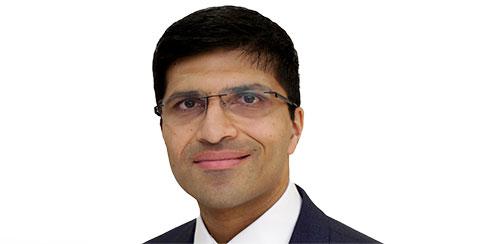
Nikhil Rathi, FCA
“The frontier of that technology is moving every three to six months,” he added. “Our traditional regulatory cycles just don’t work in that kind of environment.”
Instead, governance knew with the senior managers and board of institutions governance, who have to monitor outcomes and make necessary corrections to preserve market integrity. Rathi stressed that although AI offers massive opportunities, it also creates a more complicated risk landscape, especially around cyber risk.
“One of the increasing themes of our conversations in the G20 Financial Stability Board, which Bank of England governor Andrew Bailey now chairs, is this question of operational resilience,” Rathi added. “What do you do if you have an operational stress and a financial stress coming together?”
In order to encourage innovation, the FCA said in June this year that it will launch a Supercharged Sandbox to help firms experiment safely with AI. The Supercharged Sandbox will give firms access to better data, technical expertise and regulatory support.
Dr Jochen Papenbrock, EMEA head of financial technology at NVIDIA, said in a statement: “The FCA’s Supercharged Sandbox provides firms with a secure environment to explore AI innovations using NVIDIA’s full stack accelerated computing platform, supporting industry-wide growth and efficiency.”
On 3 December 2025 the FCA said in a statement that it had launched AI Live Testing, which complements the Supercharged Sandbox. The AI Live Testing initiative is the first of its kind in the financial sector to help firms who are ready to use AI in UK financial markets, according to the FCA.
Participating firms receive tailored support from the FCA’s regulatory team and its technical partner Advai, to develop, assess and deploy safe and responsible AI.
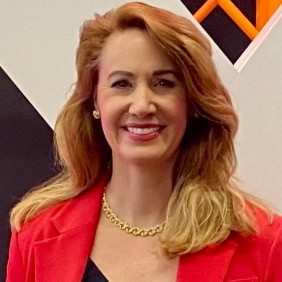
Jessica Rusu, FCA
Jessica Rusu, chief data, information and intelligence officer at the FCA, said in a statement: “By working closely with firms and our technical partner Advai, we’re helping to make sure that AI is developed and deployed safely and responsibly in UK financial markets,” she added.
The project will also help the FCA better understand how AI could shape UK financial markets and inform its future approach to the technology.
Applications for the second cohort for AI Live Testing will open in January 2026 and participating firms will be able to start testing in April.

NEWSLETTER SIGN UP
And receive exclusive articles on securities markets

It's been a month since we had our Women In Finance Awards in New York City at the Plaza! Take a look back tab some moments, and nominate for our upcoming awards in Mexico City and Singapore here: https://www.marketsmedia.com/category/events/
4
Citadel Securities told the SEC that trading tokenized equities should remain under existing market rules, a position that drew responses from various crypto industry groups. @ShannyBasar for @MarketsMedia:
SEC Commissioner Mark Uyeda argued that private assets belong in retirement plans, saying diversified alts can improve risk-adjusted returns and that the answer to optimal exposure “is not zero.” @ShannyBasar reporting for @MarketsMedia:
COO of the Year Award winner! 🏆
Discover how Jennifer Kaiser of Marex earned the 2025 Women in Finance COO of the Year recognition.
Shanny Basar
Senior writer
A Senior Writer at Markets Media who became a financial journalist in 2000 after working in banking for over a decade....
More about this authorRelated articles
-

The collaboration will initially focus on deploying AI-powered email orchestration.
-
LSEG will provide AI-ready content, multi-asset class data and workflow solutions.
-

Employees can build AI agents to analyze financial reports, relevant data and historical trends.
-
The LSEG Everywhere strategy is to deliver trusted licensed data to scale AI in financial services.
-

The Japanese group also completed the acquisition of Macquarie’s U.S. & European public asset managers.