






08.18.2026

Citi Investor Services aims to go live with digital asset custody this year, starting with bitcoin, as the bank modernizes its custody infrastructure to meet the demand for compressed settlement cycles, continuous markets and artificial intelligence-driven decision making.
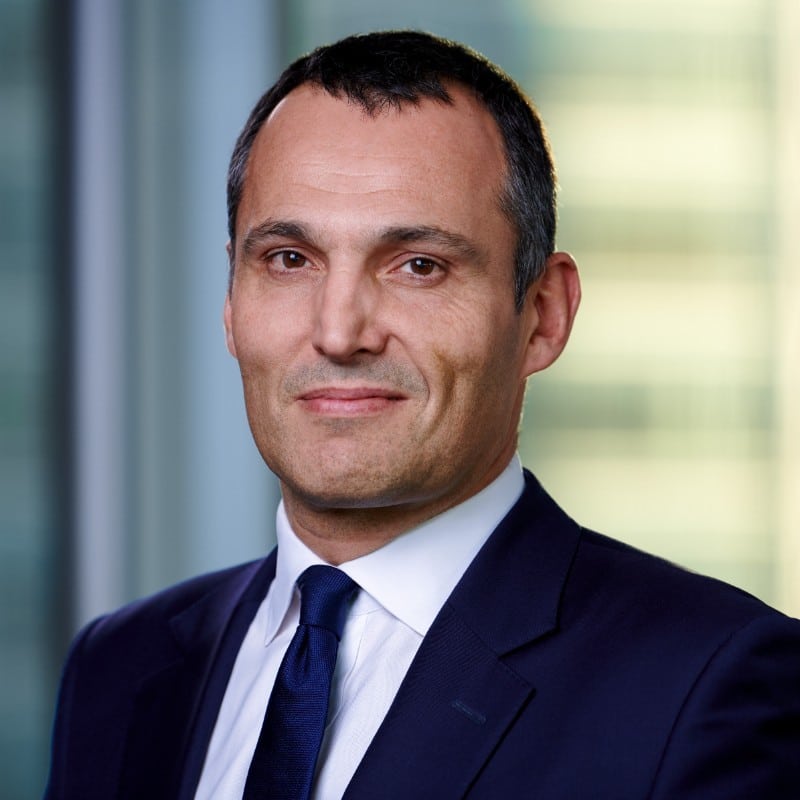
Christopher Cox, Citi
Chris Cox, head of investor services at Citi, said in a media briefing on 18 August 2026 that clients in post-trade increasingly want an instant, always-on, frictionless and seamless experience. Therefore, Citi Investor Services has launched Custody+, a modular suite of near- and real-time solutions to meet always-on industry demand that responds to shorter settlement cycles, provides better and richer data, and infrastructure that can scale, adapt and integrate fiat and digital assets.
“Ultimately our clients expect their banking experiences, even in the post-trade space, to be similar with the experience they enjoy as consumers,” he added. “The experience we should be delivering should be as easy as upgrading your iPhone, which happens seamlessly overnight.”
Digital assets
The new capabilities of Custody+ includes custody of digital assets which operate on 24/7 near-instant settlement. Clients will be able to access traditional and crypto custody capabilities on one platform.
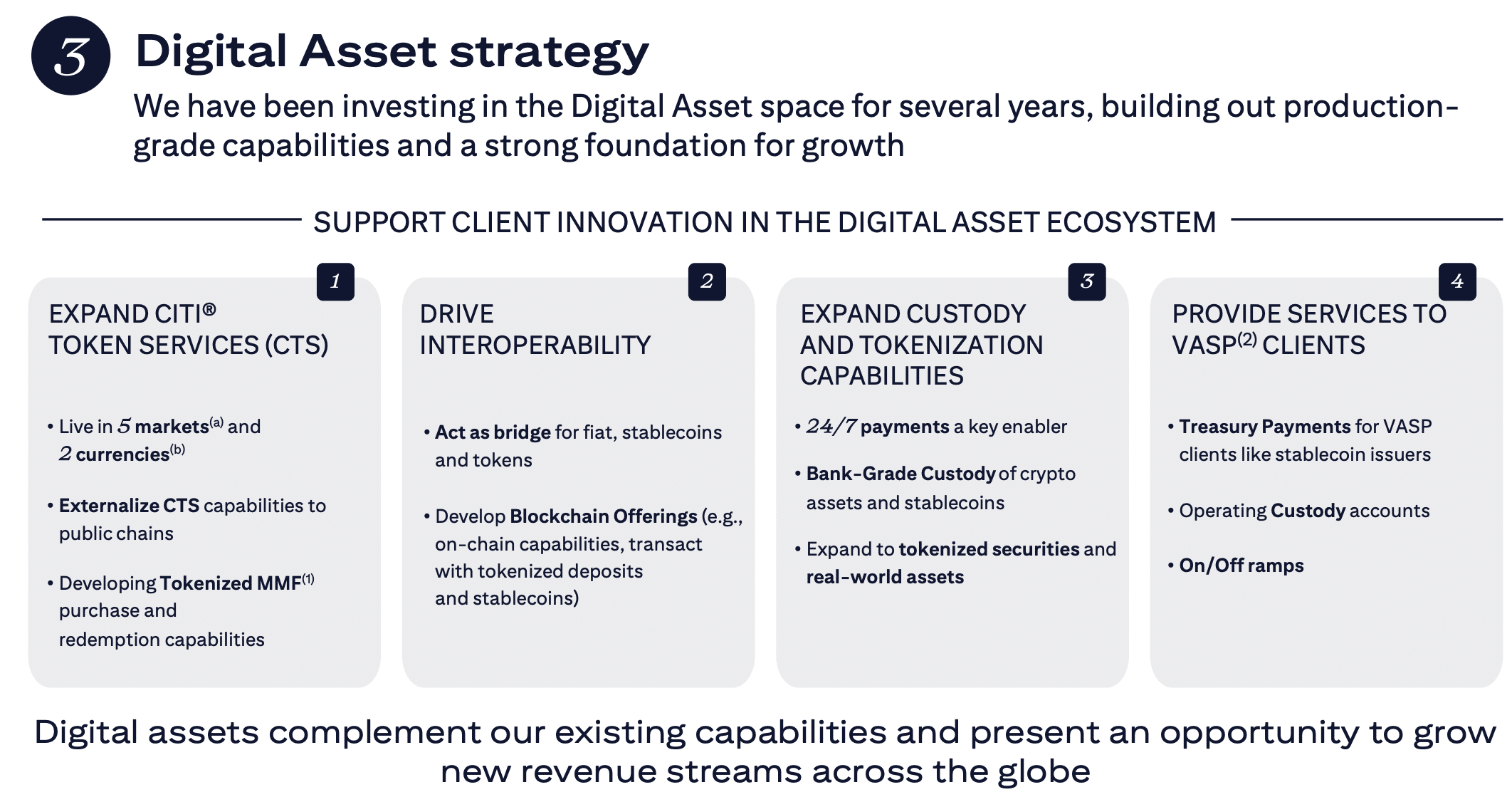
Amit Agarwal, head of custody for investor services at Citi, said in the media presentation that the bank has been building digital asset blockchain infrastructure on Citi enterprise architecture. Citi has been strategically building its blockchain and digital asset capabilities for about five years.
“We see the immediate demand factor around institutions looking for custody of novel assets like crypto,” he added. “As regulations become more appropriate and supportive, and client demand starts to evolve, we remain optimistic of bringing new products and solutions onto the same infrastructure.”
Agarwal said Citi did not believe in designing its blockchain infrastructure completely separately from traditional custody, but instead integrated it into fiat custody, so that the client experience remains familiar.
“If the clients typically choose to use a Swift message as the dominant channel for transactions, they can continue to use the same experience,” he said. “The asset might be fixed income today; it could be bitcoin tomorrow.”
Source: Citi investor day
The Tokenization Insight newsletter said the the bigger story is not bitcoin custody in isolation as Citi Token Services already enables the near-instantaneous movement of tokenized commercial bank deposits, 24/7, across select Citi markets. The newsletter highlighted that institutions do not want another isolated platform, but want digital assets integrated into the infrastructure, controls and relationships they already use.
“That integrated approach could provide the easiest path to onboarding existing institutional clients and the most effective way to scale digital asset adoption,” added the newsletter.
Real-time asset servicing
Cox said Citi wants to be prepared for a world which is moving away from physical processes to one where data is exchanged through APIs, cloud sharing, and eventually agentic connectivity with clients. Agarwal added that asset servicing and processing corporate actions is one of the more, if not the most, complex manual and error-prone part of post-trade processing.
For example, it currently takes between 24 to 36 hours, or in some cases 48 to 72 hours, for information announced by an issuer to reach an investor according to Agarwal.
Amit Agarwal, Citi
“It is an industry-wide problem,” added Agarwal. “Through our investment, our ambition is to compress this life cycle to a few hours or even a few minutes.”
Therefore, Custody+ includes a patented technology called single event processing (SEP) so that every event is processed just once. Citi said the U.S. rollout of SEP has cut processing times for voluntary corporate actions by up to 92%, and 96% of all U.S. voluntary events are now processed in under two hours, without clients having to change their own technology.
The majority, over 80% of Citi’s total event volume is now processed in real-time, according to the bank. SEP has been rolled out in approximately 80% of Citi’s global infrastructure, and Agarwal said the plan is to fully deploy it across the network over the next 12 to 24 months. He added: “We are seeing 90% to 95% improvement in real flows across our client set since the launch of this new technology.”
In addition, Custody+ aims to increase settlement speed through end-to-end integration from instruction to final settlement at central securities depositories.
Cox argued that the fact that SEP has been granted a patent speaks to recognition of innovative intellectual property. He added: “One of our key advantages is that we have 62 proprietary branches.”
White-label capabilities
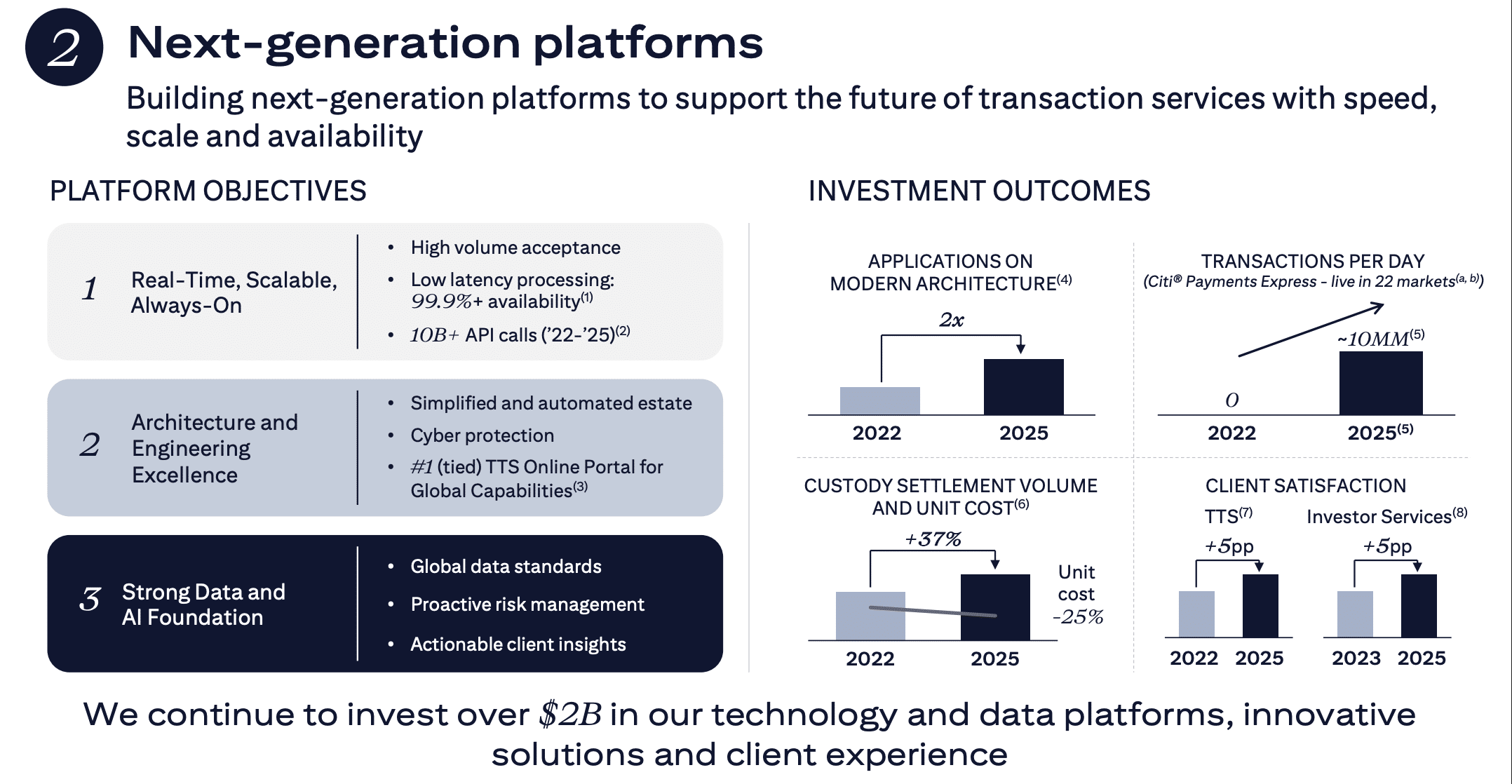
Citi’s Services business invests over $2bn annually in its platform strategy, according to Cox, so the cost of running infrastructure is becoming prohibitively expensive for many clients.
Agarwal said: “We have the muscle and the capital to build this infrastructure, but we are also building in such a way that we can provide this as a platform for institutional investors on a fully white-label basis.”
Source: Citi investor day
Some large institutional clients are already using these white label capabilities, according to Agarwal. He said: “They ride on the modern platform that we are building as we sit behind their infrastructure.”
Cox said the bank is thinking about services for the next decade and trying to build and put those into production. He added: “We argue that it is a scale game where our position in infrastructure may be advantageous.”

NEWSLETTER SIGN UP
And receive exclusive articles on securities markets

🏆 The 2026 Global Markets Choice Awards are here! 🌍 Nominations are officially OPEN for the celebration of excellence in global capital markets trading & technology. Nominate below:
https://www.jotform.com/form/260086385121150

Delaware Life Insurance Company is becoming the first insurance carrier to offer an index that contains cryptocurrency, adding the BlackRock U.S. Equity Bitcoin Balanced Risk 12% Index to its fixed index annuity (FIA) portfolio.
As the digital assets industry pushes toward
Franklin Templeton is expanding its tokenized fund suite, signaling growing institutional demand for blockchain-based fund infrastructure and regulated investment products moving onchain. Read the full article below:
$50 billion in active ETF inflows helped fuel a record year for @BlackRock 's iShares business, as investors continue to lean into active strategies.
Shanny Basar
Senior writer
A Senior Writer at Markets Media who became a financial journalist in 2000 after working in banking for over a decade....
More about this authorRelated articles
-

The use of stablecoins is attracting growing attention as a means of advancing payments through blockchain.
-

The remaining regulatory processes to complete the offer are expected around year end.
-

Fixed income is the largest asset class in global finance.
-

The launch marks a global first for the bank & the first offering of its kind by an international bank in UAE.
-

The acquisition brings Payward an EU banking license.