





03.03.2026
Institutions Build Digital Asset Capabilities Amid Market Correction
03.03.2026
In January this year LMAX Group, the global cross-asset marketplace for foreign exchange and digital assets, formed a partnership with crypto firm Ripple to accelerate the fusion of traditional and digital capital markets.
LMAX will integrate Ripple’s stablecoin, RLUSD, across its institutional trading infrastructure and Ripple will provide $150m in financing to support LMAX’s cross-asset growth strategy.
In September 2025 LMAX also launched its perpetual futures offering, initially in BTCUSD and ETHUSD, with more pairs to be added. The firm said investors could now use greater leverage whilst still accessing LMAX’s liquidity and global distribution.
Jenna Wright, managing director, digital assets at LMAX Group, discusses these moves and gives advice to other women in finance.
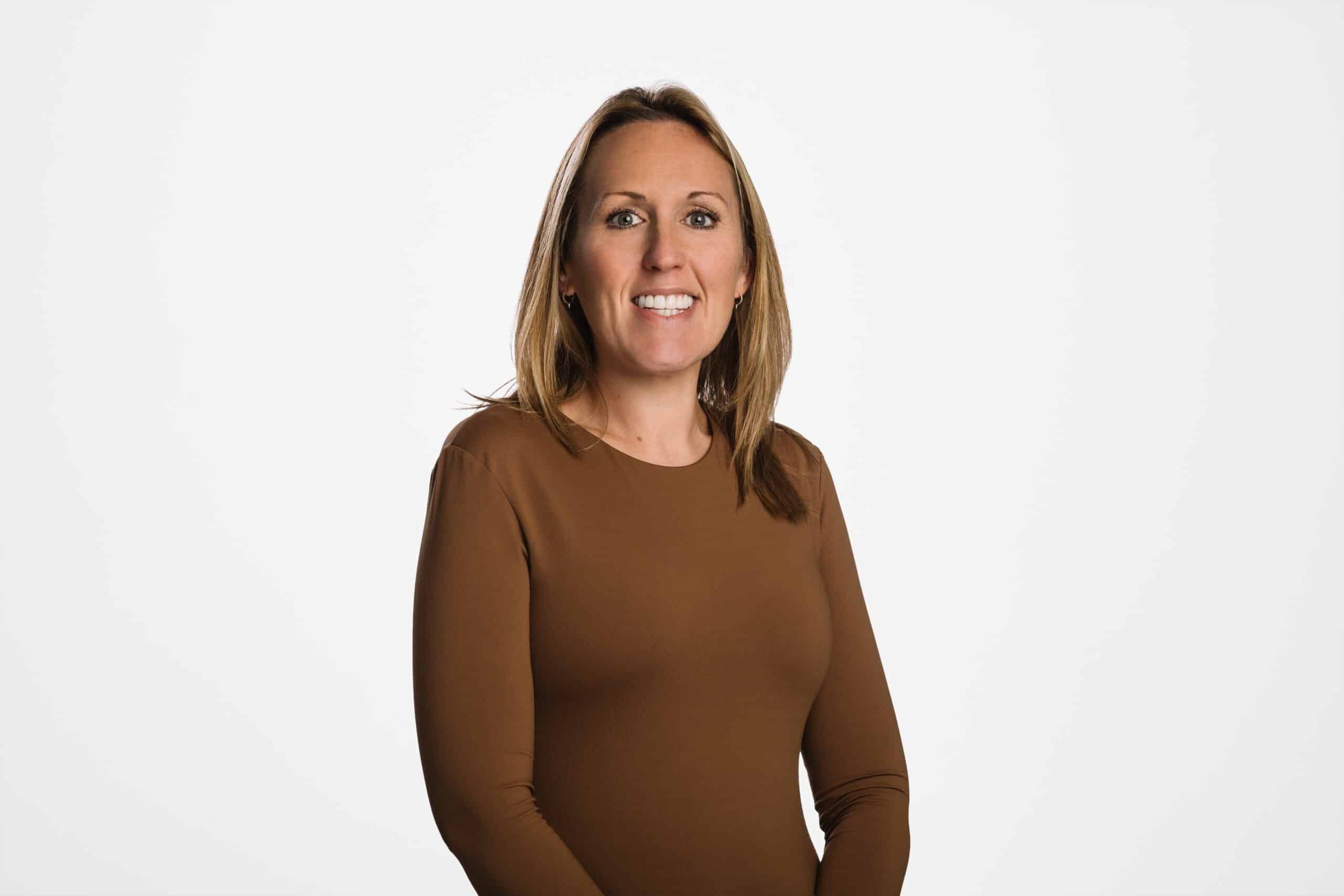
Jenna Wright, LMAX
What is your outlook for institutions using digital assets in 2026? How have they reacted to the downturn in prices?
In 2026 we continue to see a meaningful shift from speculative interest to strategic institutional engagement with digital assets. Institutions today are focused on infrastructure, regulated execution and capital efficiency, not just price speculation.
Even amid periods of price weakness, clients are advancing their digital strategies: integrating stablecoins and tokenized assets into workflows, improving collateral management, and embedding digital liquidity into FX, derivatives and custody frameworks. Rather than pulling back, many institutions are using this period of market correction to build resilient, compliant digital asset capabilities that will serve them through a full market cycle.
Why did LMAX partner with Ripple for stablecoins? Will LMAX partner with other stablecoin issuers?
Stablecoins are emerging as critical plumbing for institutional digital markets. Ripple USD (RLUSD) meets the standards of compliance, liquidity and regulatory clarity we require.
Under our multi-year collaboration, RLUSD is being integrated as a core collateral asset across our institutional trading infrastructure, enabling cross-collateralisation and margin efficiencies across spot crypto, FX, gold, perpetual futures and CFD trading. Ripple is also supporting LMAX’s long-term cross-asset growth with significant financing, underlining a mutual commitment to building efficient institutional rails for global markets.
Our doors remain open to working with other stablecoin issuers that meet the suitability criteria we set. Our goal is choice and interoperability for clients, provided those assets align with risk and compliance frameworks.
Will the firm eventually accept other forms of digital money, e.g., bank deposit tokens?
We’re excited about regulated digital money that enhances settlement efficiency, liquidity and interoperability for institutional workflows.
Bank deposit tokens, central bank digital currencies (CBDCs) and other tokenized money forms that gain regulatory clarity could be integrated into LMAX’s ecosystem alongside stablecoins like RLUSD, provided they meet strict compliance, custody and risk requirements.
LMAX’s digital assets exchange is integrated with Ripple Prime. How much difference has this made?
The combination of LMAX’s regulated exchange infrastructure and Ripple Prime’s credit and brokerage capabilities provides institutions with an efficient gateway to trade digital assets while addressing market fragmentation and counterparty risk. Ripple Prime customers can now leverage LMAX Digital as a primary price discovery venue with deep liquidity to trade and hold digital assets securely.
Do you see other prime brokers launching in digital assets?
With digital assets being adopted more broadly by professional asset managers, brokers and banks, we expect to see multiple prime brokerage solutions emerge from both crypto-native and traditional financial institutions.
What will matter most is not just the brand name, but whether these services offer regulated infrastructure, deep liquidity, transparency and seamless integration with institutional workflows. Competition in this space is healthy as it broadens access and strengthens market infrastructure overall.
How much volume has there been for perpetual futures? What differentiates LMAX in perpetual futures?
Institutional demand for secure, sophisticated digital derivatives continues to grow, and we’ve seen strong traction in our perpetual futures offering since launch. We have a broad pipeline of clients onboarding, spanning crypto‑native firms as well as more traditional funds and broker clients.
LMAX’s perpetual futures enable institutions to trade with confidence through the same trusted, regulated infrastructure that supports over $60 billion in average daily FX and digital assets flow. What differentiates us is the consistency of that institutional framework across products, including the recent launch of gold perpetual futures alongside crypto.
What advice would you give to women who want to work in finance?
My advice to women who want to work in finance is to be curious, to trust your gut and not to wait until you feel “ready.” Finance rewards those who are willing to learn, ask questions, and step into opportunities that stretch them, even if they don’t tick every box. Confidence grows through experience, so speak up, seek out mentors and strong peer networks, and trust the value of your perspective. There’s no single path into the industry, and success looks different for everyone. Stay authentic, resilient and open to where your curiosity can take you.
How do you relax outside work?
Outside of work, most of my time is happily taken up with my three daughters, who are all at very different stages — including a 20‑month‑old — so life is busy and full in the best possible way. “Relaxing” is a generous term with three children, but family time is how I properly switch off, and living close to extended family makes a huge difference. I’m also lucky to have a brilliant network of friends, and whether it’s a quick coffee, a walk, or grabbing a rare quiet moment when schedules align, those moments help me recharge and keep everything in perspective.

NEWSLETTER SIGN UP
And receive exclusive articles on securities markets

🏆 The 2026 Global Markets Choice Awards are here! 🌍 Nominations are officially OPEN for the celebration of excellence in global capital markets trading & technology. Nominate below:
https://www.jotform.com/form/260086385121150

Delaware Life Insurance Company is becoming the first insurance carrier to offer an index that contains cryptocurrency, adding the BlackRock U.S. Equity Bitcoin Balanced Risk 12% Index to its fixed index annuity (FIA) portfolio.
As the digital assets industry pushes toward
Franklin Templeton is expanding its tokenized fund suite, signaling growing institutional demand for blockchain-based fund infrastructure and regulated investment products moving onchain. Read the full article below:
$50 billion in active ETF inflows helped fuel a record year for @BlackRock 's iShares business, as investors continue to lean into active strategies.
Shanny Basar
Senior writer
A Senior Writer at Markets Media who became a financial journalist in 2000 after working in banking for over a decade....
More about this authorRelated articles
-

They may remove expiration dates from existing digital commodity perp-style futures.
-

They are developing investment solutions based on tokenisation and blockchain.
-

The capital will be used to expand offerings across the Canton ecosystem.
-

Institutions can move between stablecoin liquidity and tokenized fund exposure.
-

The integration connects traditional finance with digital asset markets.