






03.20.2026
Lloyds’ Digital Asset Strategy Focuses on Scale, Interoperability
03.20.2026
Rob Hale, co-head of global markets at Lloyds, explains the U.K. bank’s digital asset strategy.
Last year the bank partnered with Aberdeen Investments and Archax, the FCA regulated digital asset exchange, to use tokenized real-world assets as collateral for foreign exchange trades and it has also bought a tokenized gilt from Archax with tokenized deposits.
The bank is also working with the London Stock Exchange Group on the Digital Securities Depository (DSD), an onchain settlement capability, which is due to launch this year. The DSD capability aims to drive greater collateral management efficiencies and facilitate access to liquidity for a broad range of assets, including fixed income, equities, and private markets. LSEG has formed a strategic partner group, which includes Lloyds, to ensure market feedback is incorporated into the build.
What is Lloyds’ strategy for integrating digital assets into its traditional operations?
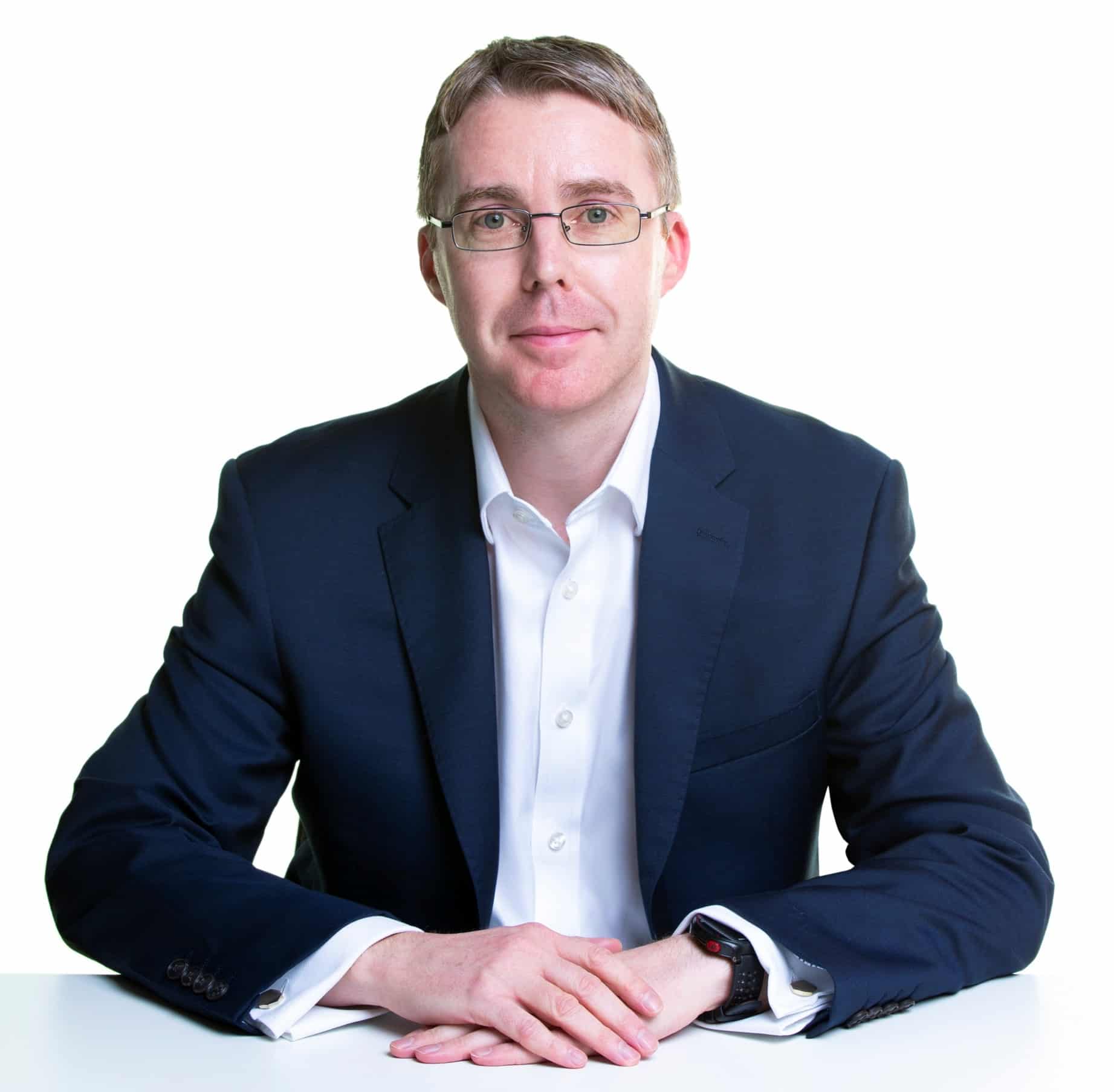
Rob Hale, Lloyds
Our approach is to integrate digital assets into the existing financial system in a way that is incremental and client-focused. Rather than building a parallel ecosystem, we are focused on bringing traditional financial instruments – such as deposits, bonds and funds – onto blockchain infrastructure through tokenization. This allows us to preserve the safeguards and regulatory protections of traditional banking while benefiting from the efficiencies that distributed ledger technology can offer.
For clients, the value lies in being able to access digital capabilities without significantly changing how they trade, settle or manage risk today. Our focus is on allowing them to move between conventional and digital markets seamlessly, whether that is settling transactions with tokenized deposits, mobilising digital assets as collateral, or eventually participating in digital capital markets. Recent pilots involving tokenized gilts and tokenized collateral are examples of how we are moving from proof-of-concept toward practical market infrastructure.
Where do you think blockchain technology will have the most impact?
The areas where we expect the greatest impact are market infrastructure and operational processes. Distributed ledger technology can fundamentally improve how markets handle settlement, collateral and asset servicing – areas where the industry currently relies on complex, multi-step processes and longer settlement cycles.
Collateral management is a good example. Traditionally, collateral is valued and transferred at end-of-day with settlement delays that can last 24-48 hours, creating credit exposure and operational complexity. Blockchain-based systems, combined with smart contracts, can automate margining and enable intraday collateral movements. For trading desks, this means reduced counterparty exposure and improved capital efficiency, while also allowing a broader range of assets – including tokenized funds or bonds – to be mobilized quickly as collateral. This is especially important for clients operating in fast moving FX and rates markets. Over time, this could lead to a more resilient financial system with faster settlement and greater liquidity flexibility.
Lloyds partnered with Aberdeen Investments and Archax to use tokenized real-world assets as collateral for foreign exchange trades last year and used tokenized deposits to buy a tokenized gilt from Archax. Has there been further progress since these transactions?
Those pilots demonstrated that digital assets can operate within existing market structures. Using tokenized money market funds and gilts as collateral in foreign exchange trading proved that digital tokens can work effectively in high-volume institutional markets. They showed clear benefits in areas such as collateral efficiency and operational simplicity.
For clients, the next stage is scale – moving from individual pilots to infrastructure they can integrate across multiple trading and collateral workflows. Financial Market Infrastructures (FMIs) – organisations such as clearing houses, exchanges and central securities depositories that underpin trading and settlement – consistently emphasize that interoperability with existing rails is essential for any digital solution to be adopted at scale. That is where our focus is now: ensuring that tokenized assets can interact safely with existing payment systems, trading platforms and risk frameworks.
The focus on scale and interoperability is ultimately about creating an ecosystem where tokenized assets, digital money and traditional financial infrastructure can operate together seamlessly, enabling clients to trade, settle and mobilise assets more efficiently across markets.
Why did Lloyds want to partner with London Stock Exchange Group on the Digital Securities Depository ?
Market infrastructure is central to the evolution of digital capital markets. The LSEG Digital Securities Depository (DSD) is designed to bridge traditional and digital financial markets by enabling tokenized securities to be issued, settled and managed alongside existing financial instruments.
For Lloyds, participating aligns with our broader strategy of supporting clients as markets evolve toward tokenized assets and digitally native settlement. Infrastructure such as the DSD has the potential to compress settlement cycles, reduce operational risk and improve access to liquidity across asset classes. By working with market infrastructure providers and industry partners, we can help ensure that these new systems are interoperable with existing markets and designed around real institutional use cases.
How does the bank view different forms of digital money, such as stablecoins versus tokenized deposits?
Different forms of digital money serve different purposes. Stablecoins can play a role in areas such as cross-border payments, where businesses may benefit from faster settlement and global accessibility.
At the same time, tokenized deposits represent a different proposition. They are essentially digital representations of bank deposits issued on blockchain infrastructure, meaning they remain within the regulated banking system and retain the protections, capital buffers and compliance frameworks associated with traditional deposits. This makes them particularly well suited to institutional financial markets, where settlement certainty, regulatory oversight and integration with existing banking infrastructure are essential. In practice, we expect a multi-form ecosystem where stablecoins, tokenized deposits and other forms of digital money coexist and support different use cases across payments, trading and capital markets.

NEWSLETTER SIGN UP
And receive exclusive articles on securities markets

🏆 The 2026 Global Markets Choice Awards are here! 🌍 Nominations are officially OPEN for the celebration of excellence in global capital markets trading & technology. Nominate below:
https://www.jotform.com/form/260086385121150

Delaware Life Insurance Company is becoming the first insurance carrier to offer an index that contains cryptocurrency, adding the BlackRock U.S. Equity Bitcoin Balanced Risk 12% Index to its fixed index annuity (FIA) portfolio.
As the digital assets industry pushes toward
Franklin Templeton is expanding its tokenized fund suite, signaling growing institutional demand for blockchain-based fund infrastructure and regulated investment products moving onchain. Read the full article below:
$50 billion in active ETF inflows helped fuel a record year for @BlackRock 's iShares business, as investors continue to lean into active strategies.
Shanny Basar
Senior writer
A Senior Writer at Markets Media who became a financial journalist in 2000 after working in banking for over a decade....
More about this authorRelated articles
-

Multi-bank network friction is becoming the bottleneck of business and corporate treasury.
-

Digital assets are new rails that can coexist with existing market infrastructures.
-

The final close of West Street Capital Partners IX was $9.6bn.
-

Prediction markets need to fit into the existing execution stack and risk systems used by institutions.
-

There has been a shift from experimentation towards commercialisation and industrialisation.